
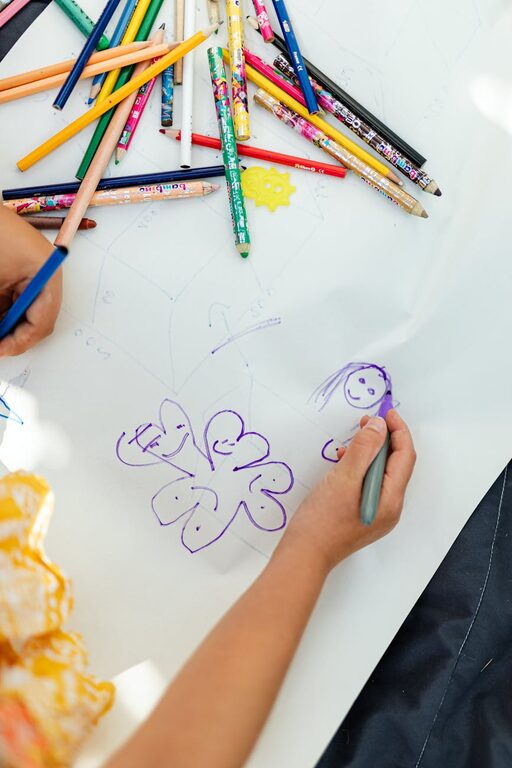
Children’s artwork is a wonderful expression of their creativity and imagination. From colorful drawings and paintings to crafty projects, these creations capture special moments and milestones. However, as the collection grows, it can quickly become overwhelming, leading to cluttered spaces and missed opportunities to truly appreciate each piece.
Keeping kids’ art organized doesn’t have to be a stressful task. With a few thoughtful strategies, you can store and display their masterpieces in ways that honor their efforts, keep your home tidy, and even encourage further creativity. In this post, we’ll explore practical tips and creative ideas for managing your child’s growing art collection.
Why Organizing Kids' Art is Important
Before diving into tips, it helps to understand why organizing kids’ artwork matters:
– Preserves Memories: Each art piece represents a moment in your child’s development and interests.
– Prevents Clutter: Without a system, piles of paper can quickly take over your living spaces.
– Boosts Confidence: Displaying art proudly encourages kids and shows you value their work.
– Encourages Creativity: An organized system makes it easy for kids to revisit and build upon past projects.
1. Create a Dedicated Art Space
Having a designated area for creating and storing art helps contain messes and gives kids a sense of ownership. This could be:
– A corner of a playroom or bedroom
– A small table with art supplies and storage bins nearby
– A wall or bulletin board specifically for displaying current projects
This dedicated space can function both as a creative zone and a storage hub.
2. Use Display Solutions That Change Easily
Kids often produce new art regularly. Using display systems that make swapping old work for new pieces easy ensures your displays stay fresh:
– Clipboards on the wall: Hang several clipboards that can hold single sheets and are easy to change out.
– String and clothespins: Stretch a string or wire in an accessible area and use clothespins to hang artwork.
– Magnetic boards or strips: These allow quick attachment and removal of art.
– Frames with easy-open backs: Allows you to rotate featured works without hassle.
These approaches keep the art visible and celebrated but avoid permanent commitments.
3. Digitize Artwork for Long-Term Preservation
Physical storage can become bulky, so consider digitizing artwork to save space and share memories easily:
– Scan or photograph art pieces regularly.
– Organize digital files by date, theme, or child’s age on your computer or cloud storage.
– Create digital photo books or slideshows as keepsakes.
– Use art apps or online services designed to store and organize kids’ artwork.
Digitizing doesn’t replace physical art but complements it by providing backup and reducing clutter.
4. Sort and Cull Regularly
Not every piece needs to be kept forever. Together with your child, review their artwork periodically and decide which pieces to keep, which to discard, or which to gift.
Tips for sorting:
– Keep the pieces that show milestones or unique creativity.
– Use a “maybe” box or folder for artwork you’re unsure about.
– Consider gifting some art to family members or neighbors.
– Recycle or repurpose artworks that aren’t kept.
This practice teaches children to make choices and keeps the collection manageable.
5. Use Storage Containers Wisely
When keeping physical art, proper storage keeps works safe and organized.
– Flat storage boxes: Acid-free boxes help preserve paper art without folding.
– Portfolio folders: Large artist portfolios or expandable folders store flat pieces by size.
– Binders with clear sleeves: Great for smaller artworks and make flipping through art easy.
– Clear plastic bins: Allow you to see contents while protecting from dust.
Label containers clearly with your child’s name and dates to make retrieval easy.
6. Turn Art into Functional Items
Repurpose kids’ artwork into practical or decorative items. This honors their creativity and reduces clutter:
– Laminate drawings to make placemats.
– Use artwork as wrapping paper or greeting cards.
– Have art printed on mugs, t-shirts, or pillows.
– Create collages or scrapbooks from bits of several projects.
These ideas transform art into lasting memories with everyday uses.
7. Involve Your Child in Organization
Teaching kids to care for and organize their art empowers them and makes the process more enjoyable.
– Encourage them to decide what to display and store.
– Involve them in photographing or scanning artwork.
– Allow them to label their storage folders or boxes.
– Teach simple sorting and filing techniques.
Building these skills early can help children develop pride in their work and responsibility for their belongings.
8. Set Limits and Create Routines
Establish guidelines to keep art collection manageable:
– Define how much space is dedicated to art storage.
– Limit the number of displayed pieces at one time.
– Schedule regular “art review” days.
– Encourage consistent clean-up after crafting sessions.
Having clear boundaries prevents overwhelming buildup and builds sustainable habits.
—
Final Thoughts
Organizing your kids’ artwork is a rewarding way to celebrate their creativity and preserve cherished memories. By creating displays that highlight their work, digitizing pieces for safekeeping, and using smart storage solutions, you can keep your home clutter-free and your child proud of their creations. Remember, the goal is not to save every single item but to find a balance that honors your child’s artistic journey while maintaining an organized space.
Try out these tips and see which ones fit best with your family’s lifestyle. With a little planning and teamwork, turning piles of art into treasured keepsakes is easier than you think!