
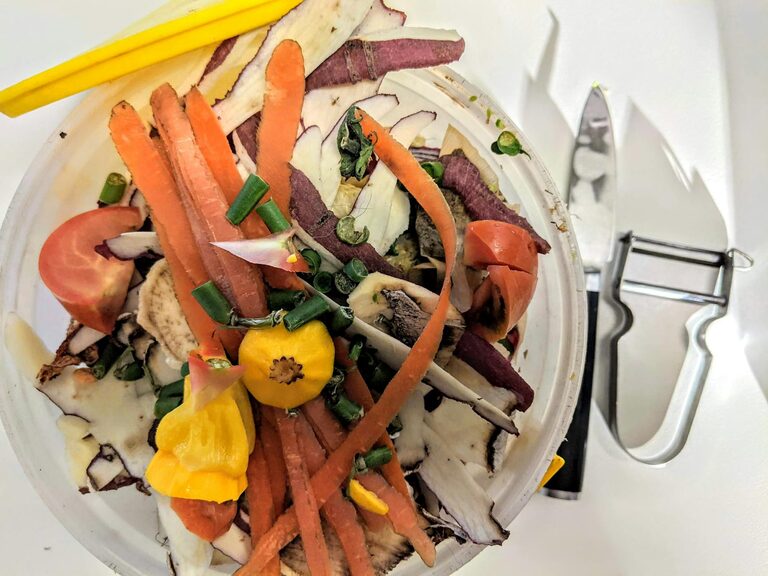
Reducing food waste at home is an important step towards saving money and protecting the environment. Every year, tons of edible food end up in landfills, contributing to greenhouse gas emissions and wasting valuable resources. The good news is that small, practical changes in how we shop, store, and use food can make a significant difference. In this post, we’ll explore a variety of helpful ways to reduce food waste at home.
Understand Why Food Gets Wasted
Before diving into solutions, it helps to understand common reasons behind food waste. Typical causes include:
– Buying more than needed or impulsive purchases
– Improper food storage leading to spoilage
– Confusion over expiration dates
– Cooking too much food that goes uneaten
– Discarding leftovers rather than repurposing them
By recognizing these habits, you can target changes that fit your lifestyle.
Smart Grocery Shopping Tips
Plan Your Meals in Advance
One of the best ways to prevent waste is by planning meals for the week. When you know what you intend to cook, you’re less likely to buy extra items that may go unused. Use a shopping list based on your plan and stick to it.
Shop with Portion Sizes in Mind
Be realistic about how much food your household consumes. Buying family-size packages may seem economical, but if you can’t finish everything before it spoils, it’s a loss. Opt for smaller quantities or packages with resealable options if available.
Avoid Impulse Buys
Stay focused while grocery shopping to avoid picking up foods you don’t need just because they are on sale or look appealing. If you want to try something new, consider whether you can use it before it expires.
Proper Food Storage Techniques
Use Clear Containers and Label Foods
Storing leftovers and fresh items in transparent containers helps you easily see what you have. Labeling with dates ensures older items get eaten first.
Keep Your Fridge Organized
Group similar items together and keep frequently used foods at eye level to reduce the chances of forgetting them. Regularly clean your fridge to remove expired products.
Understand Storage Guidelines
Different foods require specific conditions — some fruits last longer in the fridge, while others are better on the counter. Learning proper storage methods can extend freshness, such as:
– Keeping apples away from other fruits (to prevent premature ripening)
– Storing herbs in water like flowers
– Using perforated bags to maintain moisture balance for leafy greens
Get Creative with Leftovers
Transform Leftovers into New Meals
Instead of throwing away extra portions, try turning them into new dishes. For example, roast chicken can become chicken salad or soup. Cooked vegetables can be blended into sauces or added to omelets.
Freeze Surplus Food
Many meals and ingredients freeze well for future use. Portions like soups, stews, bread, and even fruits for smoothies can be stored in the freezer, extending their life for weeks.
Share with Friends or Donate
If you have surplus food that you won’t use, consider sharing with neighbors, friends, or local food banks where appropriate.
Mindful Cooking and Portion Control
Cook Only What You Need
Start with smaller portions and add more if necessary. This helps minimize uneaten food left on plates.
Use Smaller Plates
Smaller plates can trick your mind into feeling satisfied with less food, reducing waste from too-large servings.
Encourage Family to Serve Themselves
Allowing family members to decide their portions helps prevent food from being served but not eaten.
Regularly Check and Use Produce
Conduct Weekly Food "Audits"
Take a quick look at your fridge and pantry every week to note items nearing expiration or spoilage. Use these for upcoming meals.
Use Fruits and Vegetables Before They Go Bad
Try smoothie recipes for overripe fruits or soups and stir-fries for vegetables that need to be eaten soon.
Compost Food Scraps
Even with careful efforts, some food scraps are unavoidable. Composting is an eco-friendly way to handle peels, cores, and other organic waste instead of sending them to the landfill. Compost enriches soil and reduces methane emissions.
Final Thoughts
Reducing food waste at home is not only good for the planet but can also save you money and encourage healthier eating habits. By planning, storing food properly, being creative with leftovers, and staying mindful during cooking and eating, you can make a big impact. Start with a few of these tips today and enjoy the benefits of less waste and more savings.
Remember, every small step counts towards a more sustainable and responsible way of living!