
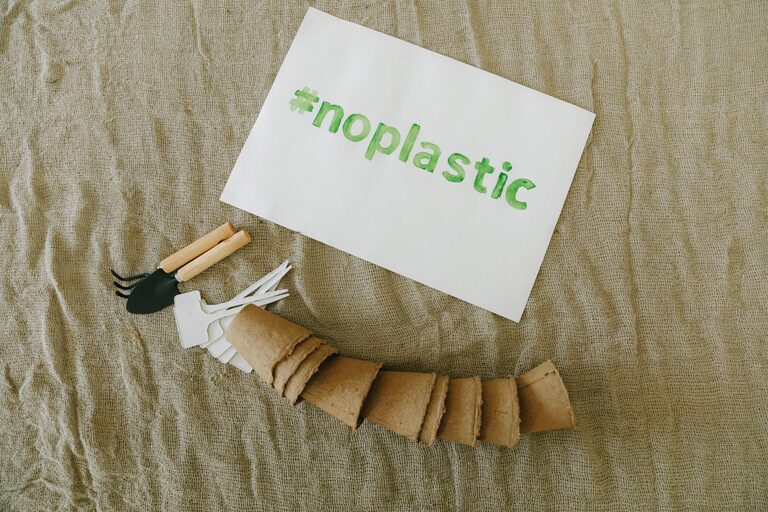
Composting at home is a fantastic way to reduce waste, enrich your garden soil, and contribute positively to the environment. If you’re new to composting, it may seem a bit overwhelming at first, but with the right approach, anyone can create healthy compost with minimal effort. This guide covers beginner-friendly tips to help you start composting successfully right in your backyard or even indoors.
What is Composting?
Composting is the natural process of recycling organic material like food scraps and yard waste into a rich soil amendment called compost. This “black gold” is full of nutrients that plants love and helps improve soil structure, water retention, and overall garden health.
Why Start Composting at Home?
– Reduces waste: Diverts kitchen scraps from the landfill
– Improves soil: Adds nutrients and beneficial microbes
– Saves money: Less need for store-bought fertilizers
– Supports sustainability: Helps reduce greenhouse gas emissions
Getting Started: Choosing the Right Composting Method
There are several ways to compost at home, and selecting the right method depends on your space, needs, and lifestyle.
Outdoor Compost Bin or Pile
– Best for gardens or yards with space
– Requires some maintenance but offers faster results with regular turning
– Can handle larger volumes of waste
Tumbler Composters
– Enclosed containers that are easy to turn
– Faster breakdown due to good aeration
– Less pest attraction and neater appearance
Indoor Composting: Bokashi or Vermicomposting
– Ideal for people living in apartments or lacking outdoor space
– Bokashi uses fermentation to break down food waste quickly
– Vermicomposting uses worms to digest organic waste and produce nutrient-rich castings
What Can You Compost?
Knowing what materials to put into your compost bin is crucial for success.
Browns (Carbon-Rich Materials)
– Dry leaves
– Straw or hay
– Shredded paper or cardboard
– Wood chips or sawdust
Greens (Nitrogen-Rich Materials)
– Fruit and vegetable scraps
– Coffee grounds and tea bags
– Grass clippings
– Fresh garden waste
Avoid Composting
– Meat, dairy, and oily foods (attract pests and create odors)
– Pet waste
– Diseased plants or invasive weeds
– Synthetic materials or plastics
Tips for Successful Composting
1. Balance Greens and Browns
Aim for a ratio of roughly 3 parts brown materials to 1 part green. Browns provide carbon, and greens provide nitrogen. This balance helps speed up decomposition and prevents bad smells.
2. Chop or Shred Larger Materials
Smaller pieces decompose faster. Chop vegetable scraps and shred leaves or cardboard to help microbes break down the materials more efficiently.
3. Maintain Moisture
Your compost should be about as damp as a wrung-out sponge. Too dry, and decomposition slows down; too wet, and it can become smelly or slimy. Water lightly if dry and add more dry browns if it’s too wet.
4. Turn or Aerate Regularly
Flipping your compost every one to two weeks introduces oxygen that supports beneficial microorganisms. This helps speed up the process and reduces odors.
5. Be Patient
Composting times vary depending on factors like temperature, materials, and care. It can take anywhere from a month to a year to get finished compost. Finished compost looks dark, crumbly, and earthy-smelling.
Using Your Finished Compost
Once your compost is ready, use it to:
– Improve garden beds by mixing it into the soil
– Top dress flower pots and indoor plants
– Mulch around trees and shrubs
– Enrich lawn soil for healthier grass
Troubleshooting Common Composting Problems
– Smelly compost: Often caused by too much green material or lack of air. Add brown materials and turn the pile.
– Slow decomposition: May need more greens, moisture, or turning.
– Attracting pests: Avoid meat and oily foods; secure bin lids and bury food scraps.
– Pile is too dry: Add water and mix well.
Final Thoughts
Starting a compost pile at home is a rewarding step towards a greener lifestyle. By following these beginner tips, you’ll soon transform everyday kitchen and garden waste into rich, nourishing compost that benefits your plants and the planet alike. Remember, composting is a learning process—be patient, observe what works best, and enjoy the fruits of your efforts!
Happy composting!