
Bringing houseplants into your home is a wonderful way to add beauty, improve air quality, and create a calming atmosphere. However, keeping them healthy and thriving requires some basic knowledge and care. Whether you’re new to indoor gardening or looking to improve your plant care routine, these tips will help ensure your green friends flourish.
Understanding Your Houseplant’s Needs
Each houseplant species has unique requirements in terms of light, water, humidity, and soil. Learning about the specific needs of your plants is the foundation of good care.
Light Requirements
Plants rely on light for photosynthesis, so providing the appropriate amount is critical.
– Bright, indirect light: Many popular houseplants like pothos, snake plants, and peace lilies prefer bright, filtered sunlight.
– Direct sunlight: Succulents and cacti thrive in bright, direct sunlight for several hours a day.
– Low light: Some plants, such as ZZ plants and philodendrons, tolerate low-light conditions but may grow slower.
Try placing your plants near windows with appropriate sunlight or use artificial grow lights if natural light is limited.
Watering Wisely
Overwatering is one of the most common causes of houseplant problems. Understanding watering needs can prevent root rot and other issues.
– Check soil moisture: Use your finger or a moisture meter to check if the soil feels dry before watering.
– Water thoroughly: When watering, do so until excess drains out of the pot’s holes. This helps prevent salt build-up in the soil.
– Adjust frequency: Watering frequency depends on the season, plant type, pot size, and indoor humidity.
Remember, it’s usually better to underwater slightly than to overwater.
Soil and Potting Considerations
Good soil and the right pot can impact your plant’s growth.
Choosing the Right Soil
Most houseplants do well in a well-draining potting mix to prevent waterlogging.
– Use commercial potting mixes unless you have specific plants that require special soil (e.g., orchids, succulents).
– Add perlite or sand to enhance drainage if necessary.
Pot Selection
– Ensure your pots have drainage holes to allow excess water to escape.
– Choose pot size based on current plant size — too large can retain too much moisture; too small may restrict growth.
– Consider repotting your plants every 1-2 years to refresh soil and accommodate growth.
Maintaining Proper Humidity and Temperature
Many houseplants originate from tropical environments and appreciate stable humidity and temperature.
– Humidity: Increase humidity by misting leaves, using humidity trays, or placing a humidifier nearby.
– Temperature: Avoid cold drafts or placing plants near heating vents where temperature fluctuates excessively. Most houseplants prefer 65-75°F (18-24°C).
Feeding Your Plants
Like all living organisms, houseplants benefit from nutrients to support healthy growth.
– Use a balanced, water-soluble fertilizer during the growing season (spring and summer).
– Follow package instructions carefully; over-fertilizing can harm your plant.
– Reduce or stop feeding during the winter when growth typically slows.
Pruning and Cleaning
Regular maintenance keeps plants healthy and looking their best.
– Prune dead or yellowing leaves to encourage new growth and prevent disease.
– Pinch back leggy growth to promote bushiness in plants like herbs and pothos.
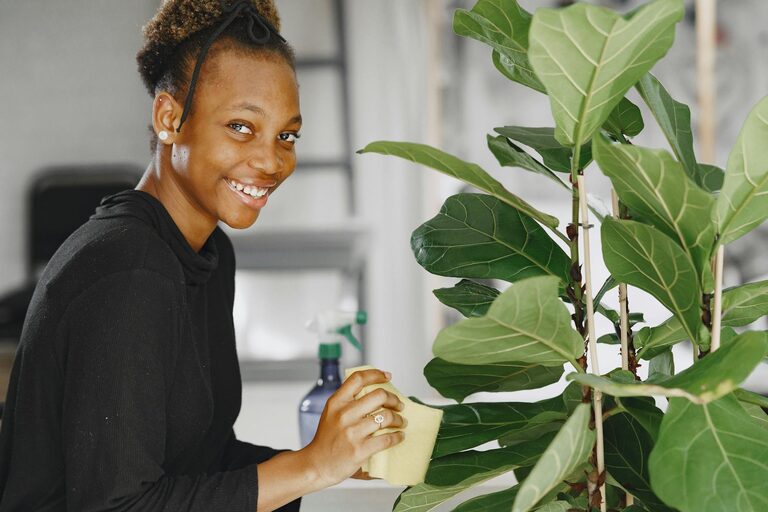
– Clean leaves gently with a damp cloth to remove dust, helping plants absorb light more efficiently.
Watch for Pests and Diseases
Keeping an eye out for common pests such as spider mites, aphids, and scale is important.
– Inspect your plants regularly, especially the undersides of leaves.
– If pests appear, isolate the plant and use natural treatments like insecticidal soap or neem oil.
– Remove any affected leaves to prevent spread.
Troubleshooting Common Problems
– Yellow leaves: Often indicate overwatering or poor drainage.
– Drooping leaves: May result from underwatering, overwatering, or sudden temperature changes.
– Stunted growth: Could be lack of light, nutrients, or root-bound plants needing repotting.
By observing your plants and adjusting care accordingly, you can address issues early.
Final Thoughts
Caring for houseplants is a rewarding hobby that enriches your living space and reconnects you with nature. With the right attention to light, water, soil, and general care, your plants will remain healthy and bring joy for years. Start simple, observe closely, and enjoy the process of watching your indoor garden thrive. Happy planting!